March 30, 2026 · eQuote360 Team
When a furnace starts acting up, the question is almost always the same: is this worth fixing, or is it time to replace it? A few practical guidelines help make that call.
Age is the first thing to check. Most furnaces last 15 to 20 years with reasonable maintenance. A furnace under 10 years old having a first real issue is usually worth repairing. A furnace past 15 years having a second or third issue in a couple of years is usually a sign the whole unit is wearing out, not just one part.
Compare the repair cost to a fraction of replacement cost. A common rule of thumb: if a repair costs more than about a third of what a new furnace would cost, and the furnace is already past its typical lifespan, replacement is usually the better value over the next few years.
Rising gas bills without a clear reason. A furnace that's losing efficiency often shows up first as a creeping gas bill, even before it breaks down outright. If your bills have climbed and your furnace is older, it may already be costing you the difference every winter.
Uneven heating or a furnace that runs constantly. A furnace that can't keep up — running non-stop but still leaving some rooms cold — is often undersized, aging, or both. This is different from a simple parts failure and usually points toward replacement.
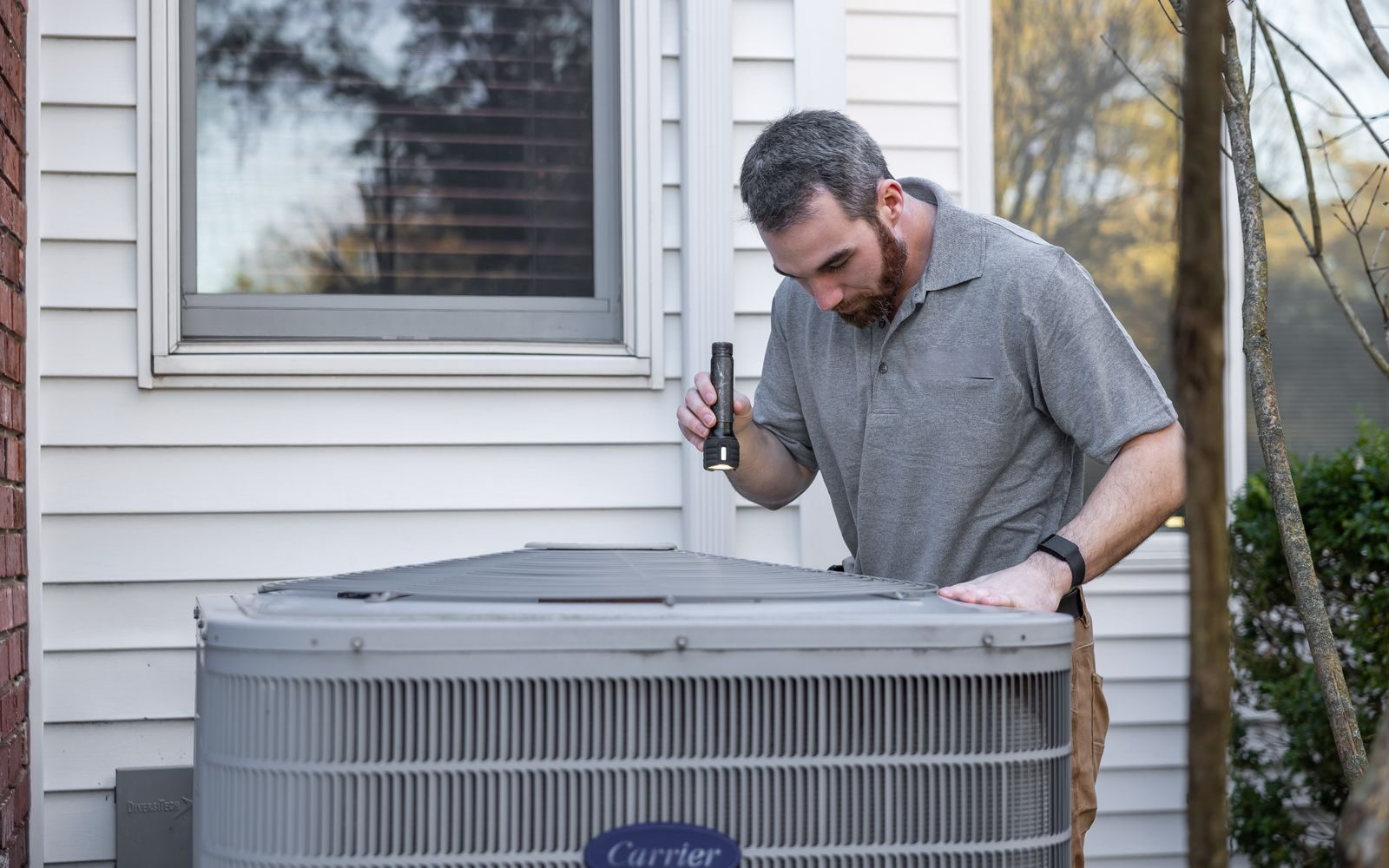
When in doubt, get an actual diagnosis before deciding. A technician can tell you what's actually wrong and what it would cost to fix, which turns "repair or replace" from a guess into an actual comparison.